Monday, 12 September 2011

Herbs For Joint Problems

Research the construction and mechanism of various joints within the body including knees, shoulders, hands and feet. Look at structures, degeneration and auto-immune conditions. What herbs and protocols are useful for these conditions?
Knees
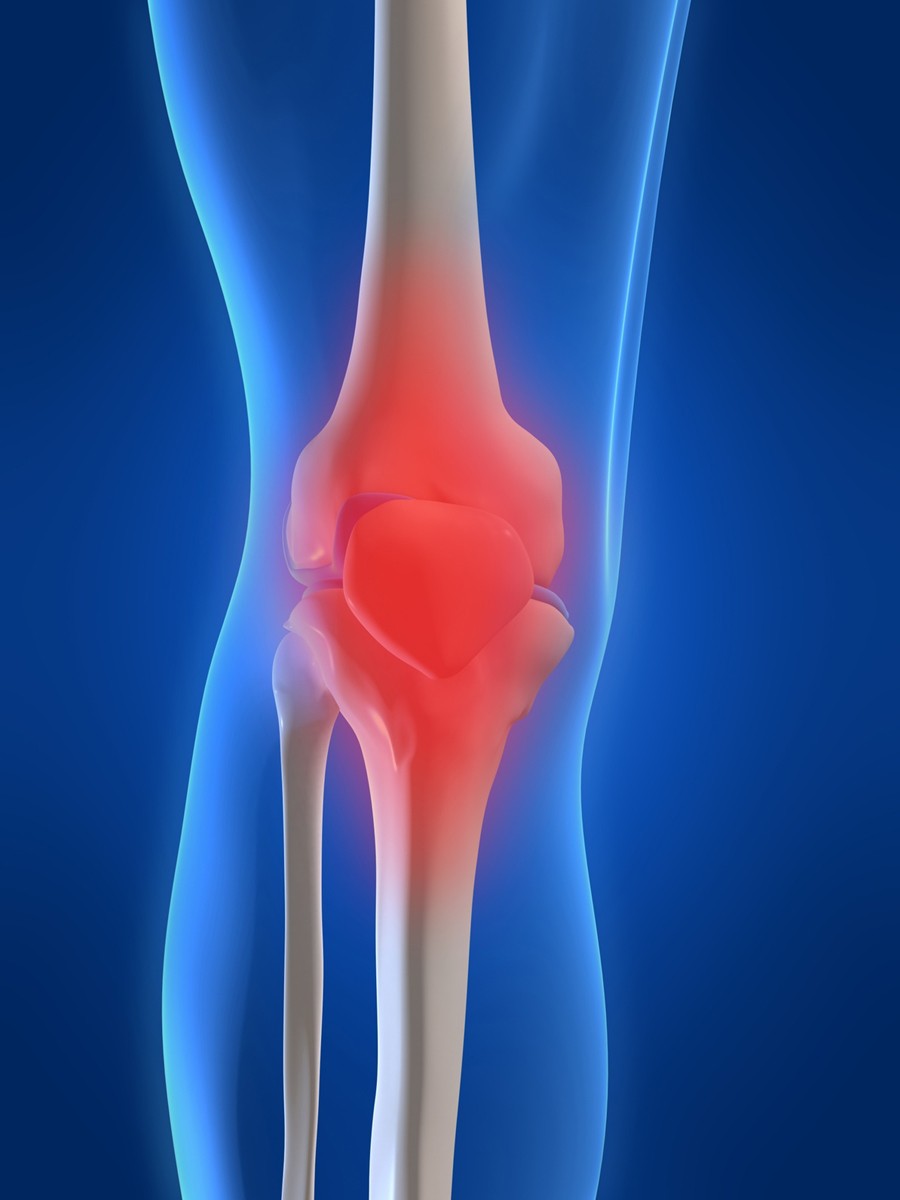
The knee contains synovial, hinge and gliding joints. The lower (distal) end of the femur meets the upper (proximal) ends of the tibia and fibula. There is also a kneecap or patella. Synovial joints have a space between the articulating surfaces and these articulating surfaces are characteristically covered by smooth cartilage. Synovial joints are surrounded by the sleeve like Articular Capsule, which allows a certain amount of movement. The lining of the capsule is called the Synovial Membrane and this secretes synovial fluid which lubricates the joint and provides nourishment to the cartilage. Ligaments surround the joint giving stability.
Knee Joint

Shoulders
The shoulder joint is formed by the head of the humerus fitting into the glenoid cavity of the scapula and it is a ball and socket joint, the head of the humerus being the ball. There is an Articular Capsule around the joint which is surrounded by many ligaments; the shoulder has a wide range of movement.

Shoulder X-Ray

Hands
The bones in the hands consist of carpals which are nearest to the wrist, metacarpals which extend towards the fingers and then the phalanges of the fingers. The joints between the carpals are gliding synovial joints which have flat articulating surfaces. The joints between the phalanges are hinge joints and bend as a hinge would. At the base of the thumb between the carpal and metacarpal is a saddle joint. One bone is saddle shaped and the other is shaped like a rider sitting on it.

Hand Bones

Feet
The feet have tarsal bones nearest to the ankle and the long bones leading towards the toes are metatarsals. The toe bones are phalanges like the fingers. The intertarsal joints are synovial gliding joints and the toes have hinge joints.

Foot Bones

Joint Problems
Rheumatism – refers to any painful state of the supporting structures of the body such as bones, ligaments, tendons and muscles.
Arthritis – is a form of rheumatism in which the joints have become inflamed, there are three main types:
Rheumatoid Arthritis
Rheumatoid Arthritis (RA) is an autoimmune disease where the body attacks the cartilage and joint linings leading to swollen joints, reduced function and pain. Treatment is aimed at reducing pain and inflammation and can include anti-inflammatory drugs, steroids, exercise, physiotherapy, heat and if the joint is badly damaged, surgery.
Todd Caldecott says treatment of RA in the Western herbal tradition focuses on measures to restore digestion, promote elimination and restore integrity to the joints. Bitters like Gentian are used for digestion and can be used with carminatives such as Caraway or Fennel to improve digestion. Diuretics such as Birch leaf are used to enhance elimination from the kidneys. Alteratives and cholagogues are used including Burdock and Dandelion. Circulatory stimulants like Ginger increase circulation in the joints and reduce stagnation. For joint restoration look to herbs with high mineral content, Seaweed, Nettle and horsetail.

Nettle

Richard Mabey suggests Liquorice and Wild Yam to support the adrenal glands which are a source of natural anti-inflammatory hormones.
Osteoarthritis (OA)
This form of arthritis is more common and less damaging than RA and occurs with aging, joint irritation and wear and tear. Cartilage in the joints is worn away to leave bone surfaces, spurs grow on the bone into the joint space which causes pain and reduces movement. There is not the inflammation seen in RA and it strikes the big joints first unlike RA which attacks small joints first.
David Hoffman says anti-rheumatics will usually help but their selection must be based upon a sound therapeutic rationale, a traditional European remedy is the Nettle both internally and externally by stinging the affected joints. Other specifics are Bogbean or Buckbean and Devils Claw. He sees anti-inflammatory herbs as fundamental as their use will not only ease symptoms but helps to stop degenerative changes to bony tissue. In O.A., the salicylate based herbs are especially helpful such as Willow bark and Meadowsweet. Other anti-inflammatories include Angelica and Devils Claw. Circulatory stimulants and rubifacients will help improve healing by increasing the blood supply to the area. Analgesic herbs may ease the pain but the problem will still be there. For the stress of living with constant pain and discomfort nervines such as celery seed might help which is also anti-spasmodic and diuretic. Hypnotics could help if sleep is disturbed by pain. Hoffman suggests using diuretics such as Celery seed and Yarrow to help the kidneys and for the bowels, bitters or hepatics such as Yarrow and Devils Claw to help support the other body systems.


Angelica

Gouty Arthritis
Uric acid, a waste product of the body, builds up in the blood and forms crystals in the cartilage of the joints causing acute pain, swelling and inflammation. If not treated the ends of bones fuse together and the joint is immovable. This is most common in middle-aged and older men and has been linked to genetics, a rich diet, stress, climate and environmental factors. A chemical called colchicine, derived from the saffron or Autumn Crocus, has been used since the sixth century to reduce pain, swelling and tissue destruction. Other drugs used are for the purpose of reducing the production of uric acid. Rest and anti-inflammatory medication can bring relief.
 David Hoffman says that diuretic herbs are important as they can flush the urates from the body. Sometimes the build-up of uric acid is due to poor kidney function. The only anti-rheumatic herbs that could help are those with diuretic properties such as Celery seed. Anti-inflammatories may help in small amounts but Hoffman says the inflammation is an appropriate body response which once again, in conventional medicine we would try to reduce. He says that legal herbal analgesics do not have much effect in gout. Generally, elimination needs to be good or support given to the liver and kidneys.
Todd Caldecott does advocate anti-inflammatories in a bid to restore joint function; he mentions Black Cohosh (Actaea racemosa), Wild Yam (Dioscorea villosa), Ash (Fraxinus excelsior), Liquorice (Glycyrrhiza glabra), Lignum Vitae (Guaiacum officinale), Devil’s Claw (Harpagophytum procumbens), Buckbean (Menyanthes trifoliata), Trembling Aspen (Populus tremuloides), Tanacetum and Ashwagandha (Withania somnifera). As topical rubefacients applied topically as a poultice, medicated oil, or volatile oil in joint oedema with little indication of active inflammation, he includes Ginger (Zingiber), Cayenne (Capsicum), Mustard seed (Brassica spp.), Peppermint (Mentha piperita) and Jimsonweed (Datura).

Ashwagandha

 Richard Mabey inThe New Age Herbalist suggests a recipe for gout; 1 part each of Burdock root, purple cone-flower, Birch leaves, Centaury and Devils Claw and ½ part of Celery seed.

Purple Cone-Flower or Echinacea

General Arthritis Information
Richard Mabey says that in all forms of arthritis treat the person not the condition. Nutrition is important to make sure all the nutrients are there for repair. He says anti-inflammatories such as Bogbean are important for all types of arthritis. A decoction of Devils Claw three times a day for six weeks could reduce inflammation.
 Mabey also says arthritis may be triggered by chronic anxiety and tension; herbs to nurture the nervous system include Cramp bark, Wild Oats, Skullcap and Vervain. Local remedies include Capsicum plasters or Cabbage and Comfrey poultices which stimulate circulation and encourage healing.

Crampbark

Paul Bergner points out that herbal treatment will take weeks to start to have an effect. The main herbs he uses in the treatment of arthritis are Alteratives, Mild Diuretics, Laxatives, and Nutritive herbs. Alteratives are tonic herbs to restore a normal balance to the system. Alteratives also act at cellular level to restore balance. Three alteratives suggested for long term use in arthritis are Dandelion, Nettle, and Burdock; they need to be taken for at least 6 weeks. Dandelion and Nettle have diuretic properties. Juniper is also good for use in arthritis as it also a bitter principles to help the digestive system; it should not be used with kidney disease or during pregnancy. Bergner says the theme of natural treatment for arthritis should be to “nourish, build and tonify”. Nettle has nutritive, alterative, and diuretic qualities. Another nutritive herb with mild diuretic properties is Alfalfa.
Chanchal Cabrera says correct nutrition and detoxifying the body are important. Alterative herbs suggested are; Yellow dock, Barberry, Pokeroot, Burdock, Nettle, Kelp and Cleavers. Cabrera only uses diuretics which encourage uric acid removal; Celery, Parsley and Birch. Cabrera says that herbal anti-inflammatories do not supress natural processes and there is a variety of sources; salicylic anti-inflammatories include Willow, Meadowsweet, Poplar and Black Haw; saponin containing herbs promote production of anti-inflammatory cortisol from the adrenal glands, these include Liquorice, Wild Yam and Black Cohosh; volatile oil containing herbs for example bisabolol and chamaezulene in Chamomile are present in chamomile; fatty acids lead to reduced inflammation and are in Evening Primrose, Blackcurrant and Borage; plant resins can have an anti-inflammatory effect on joints and are present in Devil’s Claw, Bogbean and Arbor Vitae. I found this really useful in understanding how herbs that are anti-inflammatory work and realised there are many different ways in which they work.

Meadowsweet

Sprains and Strains
Sprains occur when the joint is wrenched or twisted beyond its usual capacity causing damage to blood vessels, muscles, tendons, ligaments or nerves. A strain is the over stretching of a muscle. Symptoms include pain, inflammation and reduced movement, severe sprains can be so painful that the joint cannot be moved.
 Kiva Rose has her Choice Injury Herbs; Comfrey is excellent for ligament damage on intact skin; she favours Goldenrod over Arnica for pulled or strained muscles; Plantain is healing and pain relieving for sprains and Snakeweed is advocated for arthritis and sprains but I don’t know of it in Britain.

Comfrey

Sports Injuries
A common knee injury occurs in footballers after a knock to the side of the knee which can rupture ligaments and tear cartilage.
Todd Caldecott explains how nutrients from food rather than supplements are beneficial for sporting injuries and minerals obtained from seaweed, horsetail and seaweed can help prevent and treat them. Having worked in trauma and orthopaedics for 16 years I am very aware of the routine treatment for joint injuries of ice, compression and anti-inflammatories but Caldecott says this can lead to chronic problems, to get the area to heal we need to encourage blood flow to the area. In Traditional Chinese Medicine (TCM) rubefacient liniments are used on intact skin. Ayurvedic medicine uses specialised massage, medicated oils and yoga for injuries. In my aromatherapy practice I massage rubefacient essential oils into specific areas. In Western herbalism Caldecott states arnica is used to promote circulation and reduce inflammation; Chickweed, Selfheal, Comfrey, St John’s Wort and Calendula for bruising; St John’s Wort and Cow Parsnip root for pain; Hawthorn, Rosehips and Bilberries for tissue healing. Caldecott lists John Christopher’s Bone, Flesh and Cartilage formula to be used internally or externally in appropriate preparations with equal parts of the following:
•Oak bark (Quercus alba)
•Marshmallow root (Althaea officinalis)
•Mullein herb (Verbascum thapsus)
•Wormwood herb (Artemisia vulgaris)
•Lobelia herb (Lobelia inflata)
•Skullcap herb (Scutellaria lateriflora)
•Comfrey (Symphytum officinalis)
•Black Walnut leaf (Juglans nigra)
•Gravel root (Eupatorium purpurea)


Bursitis
Housemaid’s Knee or Carpet Layer’s Knee otherwise known as Bursitis can occur after spending a great amount of time kneeling. The bursa is made of smooth connective tissue which helps the joint to glide. It can also occur in other joints such as the elbow (Tennis elbow) and shoulder. Symptoms include pain, swelling and reduced movement. Bursitis can also be caused by trauma, infection or rheumatoid arthritis.
 Again, David Hoffman has good information; the main herbs for pain relief will be anti-inflammatories and anti-spasmodics. Salicylate anti-inflammatories include Meadowsweet and Willow bark and a general anti-inflammatory and anti-spasmodic is Celery seed. Again local blood circulation can be increased by using rubefacients.

Monday, 5 September 2011

SAD and Herb Pillows

Make a SAD syrup or tincture from Lemon balm and SJW. What other herbs might you combine to make a sleep pillow or SAD tonic vinegar/elixir?
When I received this task I took advantage of my St John’s Wort being in flower and an abundance of self-seeded Lemon Balm and made a tincture. It should be ready to strain now; I will need to taste it as I had a slight mishap. I filled my jar halfway with SJW flowers and topped it up with chopped lemon balm leaves as planned but I decided to use vodka as the menstrum and just before the top I ran out. The only other thing I had to hand was brandy so I hope it’s all mixed OK, doesn’t sound very tasty but I think it might help to pick up mood in people feeling low or depressed.
Lemon Balm

 Seasonal Affective Disorder (or SAD) is a particular type of depression induced by a lack of light, so the onset is in the autumn and wintertime as the nights draw in. A disrupted body clock (circadian rhythm) may cause depression and lethargy. In addition, low serotonin (neurotransmitters carrying messages to the brain) and melatonin levels (the hormone which makes us sleep) can be found in people suffering from SAD which lead to low mood and poor sleep.
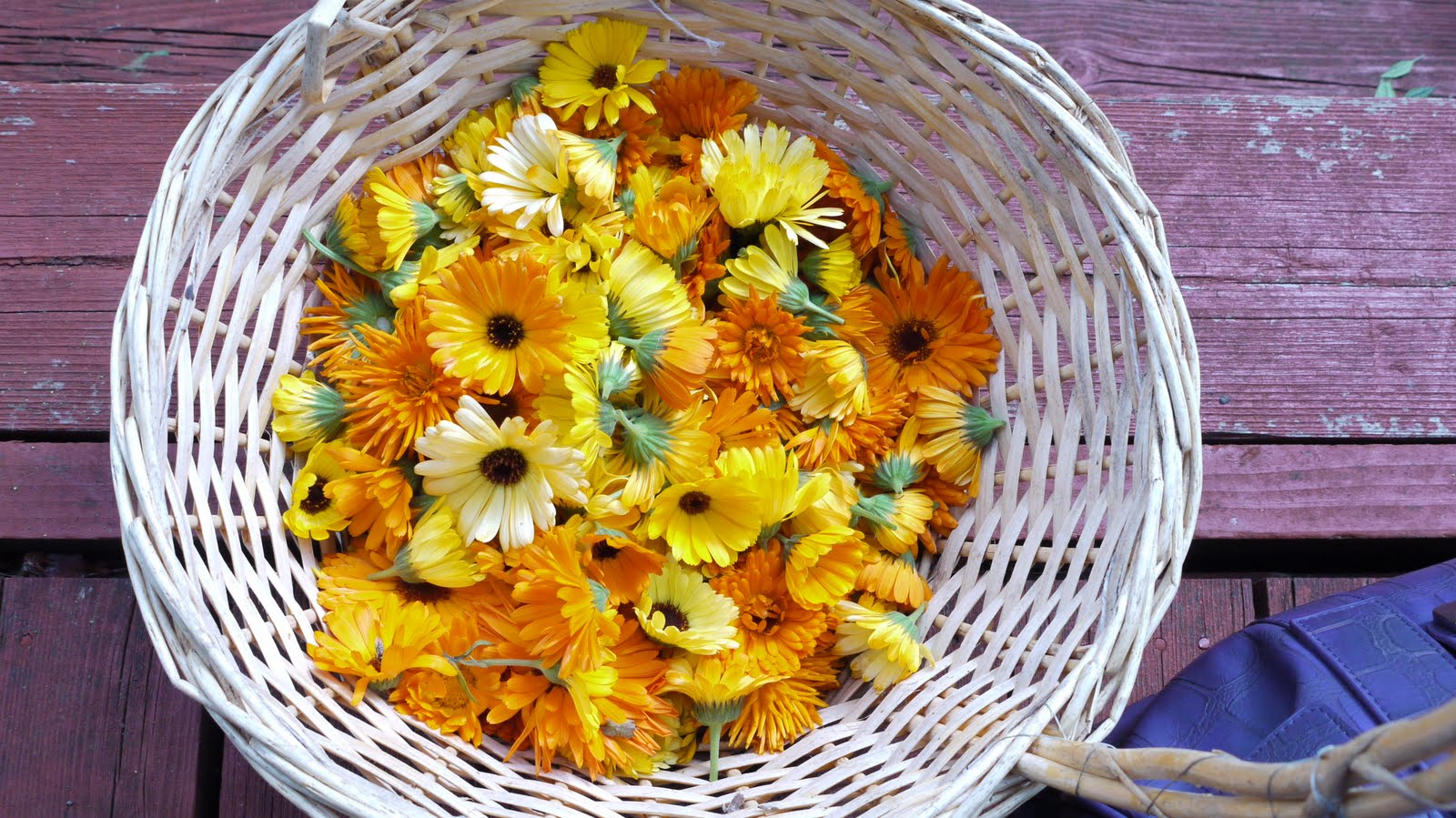
 In Matthew Wood’s Book of Herbal Wisdom he feels Calendula might help and looks back at the old English practice of putting Calendula flowers in soup in the wintertime. I’d never heard of this myself but I do love making soups and I shall try it. Wood says it will help immunity by cleansing the lymphatics so it could help keep winter colds and coughs away as well.
Calendula Flowers

Julie Bruton-Seal and Matthew Seal in Hedgerow Medicine say a spoonful  of St. John’s Wort tincture “will light you up inside with a warm glow” , bringing back some summer light and warmth could be a lift on darker days. Wood remarks on the golden yellow colour of SJW flowers which indicates its use for all types of depression, including SAD. He suggests that a tincture catches the best ingredients in SJW.
 In 1996 German researchers released results of trials using St. John’s Wort as a successful antidepressant. Following this, British researchers did a trial with people experiencing SAD using either light therapy alone or light therapy combined with SJW. There was a slight but not significant improvement with the participants who had both light and SJW but those that had received the SJW as well reported more restful and refreshing sleep (Michael Castleman, The New Healing Herbs).
St. John's Wort

 The first thing that springs to my mind for a sleep pillow is hops. At a workshop on a lovely summer’s day last year Sarah kindly gave us some hops, but on the way home in the warm car myself and friends Kerry and Maria were all complaining of feeling really tired, we then we realised that the hops were taking effect. We spent the rest of the journey making sure I didn’t fall asleep at the wheel! Hop pillows are reported to have been used by King George III and Abraham Lincoln.
Hops

 A herbal sleep pillow is made to be placed near to where you sleep, under your usual pillow or inside the pillow case with your pillow.
 Lavender is known to be relaxing and is often used in sleep pillows. A few drops of lavender oil can have the same effect but too much has the opposite effect and is stimulating.
I have a lovely little book called Making Herbal Dream Pillows by Jim Long, he says that Rosemary adds feelings of warmth and safety to dreams and leads to peaceful sleep. His peaceful slumber recipe has ¼ cup Rose petals, ¼ cup Rosemary, ¼ cup Lavender flowers, ¼ cup of hops.
 Julie Bruton-Seal and Matthew Seal in Hedgerow Medicine suggest using St. John’s Wort in a herb pillow to be used for nightmares, bad dreams and fear of the dark, use the dried leaves and flowers. They also give instructions for a Wood Betony pillow: “Sew a small cloth bag, leaving one end open. Fill loosely with dried wood betony leaves. Some dried lavender or rose petals can be added for their fragrance. Stitch or tie up the open end, and place the bag under your pillow.” This is recommended for insomnia or nightmares.
 Other herbs to consider for insomnia are Catnip, Lemon Balm (and the essential oil), Valerian, Motherwort, Passionflower, Skullcap, Wild Lettuce, Mullein, Lime flower, Mugwort, Sweet Marjoram and Yarrow.

Tuesday, 30 August 2011

Summer Days

I can’t believe summer is nearly over. I started July with the “Great Potato Weigh In” at the allotment gardening club and there was quite a competitive spirit in the air! Earlier in the year our gardening teacher gave each allotment plot a “Jersey” potato to chit and plant and then to see which plot grew the most potatoes from their spud. Our poor potato got left in Iain’s car for a couple of weeks and had travelled about 700 miles by the time we planted it in March. We walked around each plot to witness the digging up of potatoes and we achieved second position with 1.637kg from our little potato – they tasted good as well. Outside of Jersey our potatoes can’t be Jerseys they have the unglamorous title of International Kidney.
Iain and Barry harvest our potatoes

 We have also had a fund raising day at the allotments, live music from 3pm until late, real ale, hog roast and children’s activities, it went really well. The men from our allotment plot formed a folk group (Barry, Iain and Steve – The BIS) and did really well. One of the children’s activities was to make a snail from Willow; I have always fancied a go at Willow work and whilst obviously not fitting a child category any longer I managed to trade a cabbage for a go at snail making!
My willow snail

 At the Herb Sanctuary in July  we did some harvesting including purple sage, St John’s Wort, betony and rose petals, we also sorted out some herbs which had been drying in the summer house and put the leaves and flowers into paper bags these included catnip and elderflower. The sheep’s fleece that we boiled a few months ago to make lanolin made a reappearance; Janey had some equipment for carding the wool and showed us how to do it. It doesn’t look like the wool will spin very well as without the lanolin it is very dry. I believe the fleece will appear again at Sarah’s Herb Festival in September where everyone will be able to use plants to make different natural dyes and we can dye some wool. I have agreed to do an Introduction to Aromatherapy talk at the herb festival.
Herbs for Harvesting

 My most time-consuming project recently has been trying to develop recipes for skin-care products which my daughter and I are hoping to market. We are using only natural and plant based products (except for beeswax) and it’s taking a lot of research and a lot of time. We have started testing our recipes and when we are happy we need to send it to an industrial chemist to get it tested. The sad thing is that I have had to buy a lot of my herb products which I now make such as macerated oils and tinctures as the products need "traceability".
 I didn’t make the August herb workshop as I was already committed to a garden party organised by The Fellowship of the Knights of the Round Table of King Arthur, we had a go at Bhangra dancing, a show and tell session with swords, our fortunes told by Madame Arcana and were served cucumber sandwiches with the crusts cut off! All this raised money for the Acorns Children’s hospice whilst having a fun afternoon.
 I’ve got some catching up to do with my herb homework, I seem to have been so busy and September is looking just as crazy. We are camping at the Mercian Gathering next weekend; it’s the Herb Festival in the Cotswolds the weekend after. We’ve had lots of produce to harvest from the allotment, the weeds grow faster than everything else though. This week is the village scarecrow festival and on the 14th September we are having an official allotment opening by the Countess of Wessex so we'd better tidy up!
 The 12th September is the day for the ancient tradition of the Abbots Bromley Horns Dance this year and I'll be dancing in the village while we wait for the Horns Men to return. I must confess it's an honour to be asked but as I haven't practiced for ages I've got more than a few butterflies!
 Thank you Claire and Trish for your comments on St John’s Wort, I no longer seem to be able to reply to comments on this blog as used to be able to so will have to reply like this in future. It is so interesting to hear from someone who has tried the oil for sun protection and only had a reaction when taking internal supplements; I am so pleased you have shared your experiences Claire. Sarah also makes her oil with sunflower which does complement the whole sun theme of the herb; this conjures up visions of warming sunshine easing joint pain for Trish’s husband. Sunflower oil is easily absorbed by the skin and can help active ingredients to be absorbed quickly. St. John’s Wort has anti-inflammatory properties.

Friday, 1 July 2011

St. John's Wort - The Sunshine Herb

I noticed on Monday that my St John’s Wort had burst into flower, the traditional time to harvest it is on the feast day of St John, the 24th June or midsummer. We tend to feel happier in the warmth of the summer sun and the yellow flowers of St John’s Wort seem to reflect the time of year.

 St John’s Wort is well known as an antidepressant and for treating SAD (Seasonal Affective Disorder) when the lack of sunlight during the winter months can make some people feel low in mood. I have not made St John’s Wort tincture before so I decided to do so this year. I picked flowers and packed them into a little jar and covered them with vodka, I shall leave this for a few weeks. The flowers are covered in little dark spots that contain the plant oil, after picking the flowers my fingers had turned purple. Just a few minutes after adding vodka my tincture it began to take on a beautiful red colour. It is the constituent hypericin (the red pigment in the flowers) which is believed to help depression and St John’s Wort should not be taken with some anti-depressants. It is thought to mimic Monoamine Oxidase (MAO) inhibitors and selective serotonin-reuptake inhibitors which are prescribed for depression.
Sunshine in a jar - St John's Wort tincture

 My next batch of flowers will infuse in olive oil and create a deep red oil which is good for the skin and for nerve inflammation. I use it in aromatherapy massage blends to help my husband’s sciatica and could add it to a cream, gel or ointment. St John’s Wort (SJW) is known for being good to skin; it is antiseptic and calming and can be used on minor burns, sunburn, cuts, grazes, bruises, minor skin irritations and eczema. The oil is suitable for sensitive skin and infected acne or spots.
 When I trained as an aromatherapist I remember being taught that SJW was a photosensitiser so if I used the oil on a client I needed to warn them to avoid strong sun as the skin could easily get burnt. During one of Sarah’s workshops on a sunny day last year I was stunned to see ladies covering themselves with SJW oil and using it as a sunscreen; I thought they must be putting themselves at terrible risk. I was told that Susun Weed uses it as a sunscreen and that it was only the internal use of SJW that could lead to photosensitivity. This turned what I had previously been taught on its head and curiosity pushed me to investigate.
 The first thing I decided to do was to try it out for myself, as hubby and I got ready for a walk on Cannock Chase in the sunshine I slapped on St John’s Wort oil on all exposed skin and topped up on the car park before we set off. When I checked my skin on the evening it was red and it itched so I had managed to get burnt, so I put on some more oil. I don’t think my skin had been made more sensitive to the sun, I think my sun burn was as I would have expected if I had gone out that day without protection. This did not seem to be something that worked for me, I wondered if my oil was of a lesser concentration than other peoples.
 My next task was to try and find some documented evidence about St John’s Wort as a photosensitiser and sunscreen.Bensouilah and Buckle say that large amounts of hypericin taken orally can cause severe photodermatitis “but there is no evidence that, topically, the infused oil has any notable phototoxic potential when applied to intact skin”. They do say there may be a risk to lesional skin and fair- skinned people after extended sun exposure. All of my herb text books caution that SJW may cause sensitivity to light but none of them specify whether this is internal or external use.
 Susan Weed talks of the oil in her Breast Health book as being used for protection from radiation and also as a sunscreen. She says “I use this oil as my only sunscreen, and find it not only immediately effective, but even more protective with continuing use over the years”. If this is the case then my single use experiment may not have been enough.
  Family Herbal Remedies advocate St John’s oil when going out in the sun to prevent sunburn and say to think of it as a skin nourisher rather than a sun block to create “healthy sun-tolerant skin”.
 I came across a discussion on the Healing Wise Forum where there seemed to be other people as confused as myself about SJW and sun protection amongst the more knowledgable. It seems that it takes a few uses before the body gets results from SJW and the internal preparations that can cause sensitivity are usually shop-bought and low quality tablets.
 I get the idea that the body can get used to SJW over time and that it nourishes the skin but I’m not sure safety wise what is happening, people are saying that it is not a sunblock so does it give the protection we need? I love the idea of using a natural product as a sun screen but I have had two friends with skin cancer and one is no longer with us so I am cautious and I need to trust it’s safe. I personally feel I don’t understand enough at the moment about St John’s Wort as sun protection to use it with confidence at the moment.
 Sesame oil has an SPF of 2-3, Shea butter has an SPF of 2-3, Jojoba has an SPF of 4 and Red Raspberry Seed oil has an amazing SPF of 28-50 which would make it my first choice in my own natural sun screen, it defends against UVA and UVB rays. Of course I can’t press my own Red Raspberry seed oil and would have to buy it which is not as satisfying as growing my own St John’s Wort, preparing the oil and watching the colour change, but I have other uses for my oil.

Monday, 27 June 2011

Catching Up With Myself!

This has been such a busy month, starting off with a weekend in Cornwall for the annual dinner of The Fellowship of the Knights of the Round Table of King Arthur. We met up with old friends and made new ones and are looking forward to meeting up again in August for a garden party. The only “herb” thing I can claim to have done is to have tried the very inviting Lovage Alcoholic Cordial that I noticed in the hotel bar. It is good for settling your stomach and according to the barman is usually mixed with brandy, I can recommend it.
 I had an interesting study day in London looking at the legalities of creating skin care products, it all boils down to traceability by keeping records and batch numbers of ingredients. I had thought that due to this I could not use my own herbs but it is apparently acceptable to use herbs from your garden if you can get photographic evidence to prove this, so if I take a photo of a herb with my house in the background I have proved where it came from. The same can’t be used for wild crafting as it is not known whether the land is contaminated etc.
 On the 18th June I attended Sarah’s workshop in the Cotswolds with the theme of the menopause and found it very interesting. The day kicked off with an Ox-eye daisy flower essence which is used to help come to terms with the menopause.
Ox-eye daisy flower essence

 We looked at herbs growing around the Sanctuary which could be useful. Agnus Castus or Vitex is an important peri-menopausal plant and a tincture can be made from its berries. It  regulates cycles by acting on the pituitary gland which controls the release of FSH (Follicle Stimulating Hormone) and is balancing at times of change such as early pregnancy and the menopause when oestrogen levels fall.

Vitex

 Hops can be used for sleeping problems as well as being a digestive bitter and an antiseptic. A tincture is made of the flower like bits but this is not suitable for people prone to clinical depression or men with hormone insufficiency.
Hops
 Motherwort is a gentle nervine for times of stress and night palpitations, it regulates heat and is good for period pains. It can be taken as a tea but is very bitter, the whole plant is used. Motherwort can be made into a tincture or a vinegar, I made myself a tincture.
Motherwort
 Lady’s Mantle is used for heavy periods and is a digestive tonic. Its energetic properties deal with maternal issues such as how you feel about yourself as a mother and on entering the menopause.
Lady's Mantle
 Lemon balm and rose are great for stress and we tried some elixirs including rose which were very soothing. Minerals for this time of life can be harvested from Red Clover, Mugwort (Crone wort) and young Nettle. Red Clover contains a phyto-oestrogen so care needs to be taken with breast cancer as it is not suitable with some.
 I made myself a Ladies Tonic from Motherwort, young Nettles and Lady’s Mantle which I put in vinegar.
 Last week my husband and I were in Rome and as we walked through the forum I realised I was surrounded by Chamomile flowers, proper “Roman” Chamomile! The ground was very dry but the herb was very aromatic when I picked it, more so than in my garden at home, it must enjoy these arid conditions.
 Yesterday we were invited to an Eisteddfod  on Cannock Chase where those present could tell tales, recite poems, play music and sing. My husband has been roped into a little folk band with our fellow allotment boys Iain and Barry and they did their first public performance of with just one song but I was very proud of them. The group has been put together for a charity fund raising day at the allotments where there will be music all day, real ale, a hog roast and other activities. I shall have to get some weeding done before the event! In the meantime we are having a good harvest of cabbage, beans, peas, salad and new potatoes which makes it all worthwhile.

Sunday, 26 June 2011

Herbs For Children

One of this month’s tasks is to look at herbs for children. The main thing to consider is that children’s bodies are still developing so their bodies may not be able to process herbs in the same way, some herbs will not be suitable and the dose needs to be considered. I’ve chosen two conditions to look at that young ones may suffer with; earache which I suffered with a lot myself as a young child and nappy rash as I’ve developed an interest in skin problems.
 Some herb books say not to use herbs on infants under 6 months, some are more cautious and say 2 years, most books disappointingly, don't mention children at all. In the case of babies under 6 months of age the liver and digestive organs are not fully developed but if mom is breastfeeding then some safe herbs can be passed on through the mother's milk which has already been processed through her digestive system, an example is a mother taking Catnip for her baby’s colic.
 Naturally Healthy say not to use Goldenseal,  Barberry due to the alkaloid berberine or Oregon Grape which can irritate mucous membranes on under 3 year olds. Hyssop should not be used under 2 years old, lobelia under 5 years old, Boneset under 12 months and Urva Ursi under 12.
 Herbs can be introduced to children as simples/ individually, just as new foods are introduced one by one.
 When considering a menstrum for children’s herbs then honey is to be avoided until the age of 2 as there are micro-organisms which could potentially harm these youngsters and alcohol is usually avoided as a child’s liver is still developing and could also be damaged.
 Herbs could be given to children internally by tea or glycerine extraction and externally by infusion in a bath or on a cloth, or by using a cream, gel, poultice or ointment. Herbs For Kids suggest giving strong teas rectally as some children will not want to take herbs orally, I think this could be equally as difficult to get compliance with! I have seen suggestions for teas to be mixed with fruit juice and drunk or frozen as an ice lolly which might make them more enjoyable to take.
 Working out a dose for children to take internally can be confusing; the first thing to do is to check that the herb is safe for a child to take. There are several peoples’ rules regarding calculations; Clark’s rule, Fried’s rule, Young’s rule and Cowling’s rule are some I’ve come across.
Examples:
 Young's Rule - Add 12 to the child's age. Divide the child's age by this total. Example: dosage for a 3 year old: 3 divided by 15 (3+12) =0.2, or 1/5 of the adult dosage.
Cowling's Rule - Divide the number of the child's next birthday by 24. Example: dosage for a child who is 3, turning 4 would be: 4 divided by 24 = .16, or 1/6 of the adult dosage.
As you can see, each rule doesn’t give the same dose. Some methods of calculation look at the weight of the child rather than the age:
Dr. Stengler's Quick Dosage Guide for Children

WEIGHT
DOSE
5-30 pounds
1/5 the adult dose
30-60 pounds
¼ the adult dose
60-90 pounds
1/3 the adult dose
90-120 pounds
½ the adult dose
120-150 pounds
¾ the adult dose


Rosemary Gladstar has a typical adult dose as 1 cup (8 oz.) tea, and two droppers full (60 drops) of tincture and a graduating dose for children.
Teas
When the adult (age 12 and over) dose is 1 cup (8 oz.) of tea, the following is recommended for children:

AGE
DOSE
Younger than 2 years
½ to 1 teaspoon
2 – 4 years
2 teaspoons
4 – 7 years
1 tablespoon
7 – 11 years
2 tablespoons


Tinctures
When the adult dose is 2 droppers full (60 drops), the following is recommended for children:

AGE
DOSE
Younger than 3 months
2 drops
3 – 6 months
3 drops
6 – 9 months
4 drops
9 – 12 months
5 drops
12 – 18 months
7 drops
18 – 24 months
8 drops
2 – 3 years
10 drops
4 – 6 years
15 drops
6 – 9 years
24 drops
9 – 12 years
30 drops


Earache In Children
Until about 7 years of age the Eustachian tubes are not fully developed, they are narrower and not situated in such a good position for drainage as adults. Drainage can become a problem, leading to inflammation and infection which in turn creates pain for the child.
 Live Strong say a clinical study in “Pedriatrics” by Sarrell et al published in May 2005 found ear drops containing Mullein relieved pain better than antibiotics.
 Steven Horne reports that the longest it has taken him to relieve earache in any of his children is 5 hours. He suggests that 2 approaches are needed; one to get rid of the swelling, redness and heat of inflammation and the other is to drain away excess fluid. He uses garlic infused olive oil with either mullein or St. John’s Wort flowers as ear drops (warmed) and this can also be massaged around the ear and the side of the neck for lymphatic drainage. Herbs for Kids also use infused Willow bark.
 Warmth can often help the pain caused by earache, so keeping the area warm may help. Ensuring a child has a healthy diet may help to maintain a healthy immune system and reduce the frequency of infections. Some authors recommend a diet low in dairy to improve drainage from the ears.
 Oil should not be put into a child’s ear if there are grommets fitted or if there is any suspicion that that the ear drum is not intact (there may be discharge from the ear). A doctor should be contacted if you are concerned or unsure about anything, if the child has severe pain, a high temperature, is vomiting or has no improvement after 2 nights of having drops.
Nappy Rash
 Nappy or diaper rash occurs when there is irritation to the skin in the nappy area, usually from contact with urine and faeces, sometimes from the material of the nappy or the powder it has been washed in.
 The first thing to do is to investigate the cause, make sure the child is changed frequently enough and is clean and dry, allow some nappy-free time, maybe change the brand of disposable nappy or the way cloth nappies are washed.
 It is possible that some foods may make the urine more acidic, such as tomatoes, so it may be worth observing a child’s diet to see if it has any effect. Drinking plenty of fluids will make the urine less concentrated.
 The most popular herb used in natural products I have seen for sale is Calendula, also known as Pot Marigold. This herb is used for skin healing and regeneration and is suitable for all skin types including sensitive and babies skin. At home the flower petals can be macerated in oil and this can be made into an ointment by adding beeswax or used in a cream. An ointment may provide more of a barrier, to 60ml of oil add 1 teaspoon beeswax; this will let the skin breathe unlike petroleum based products. The skin could also be bathed with water infused with herbs.
Calendula Flowers

 Other herbs documented as suitable for nappy rash are Aloe Vera, Chickweed, Marshmallow root, Plantain and Comfrey. Info Herb state “We must use herbs that not only will help the rash, but herbs that will help nourish the skin and fight the bacteria which is almost always present”.
 If there is no improvement after three days, or there are signs of infection such as the rash joining up to create angry red plaques of broken skin then the advice of a health care professional should be sought.